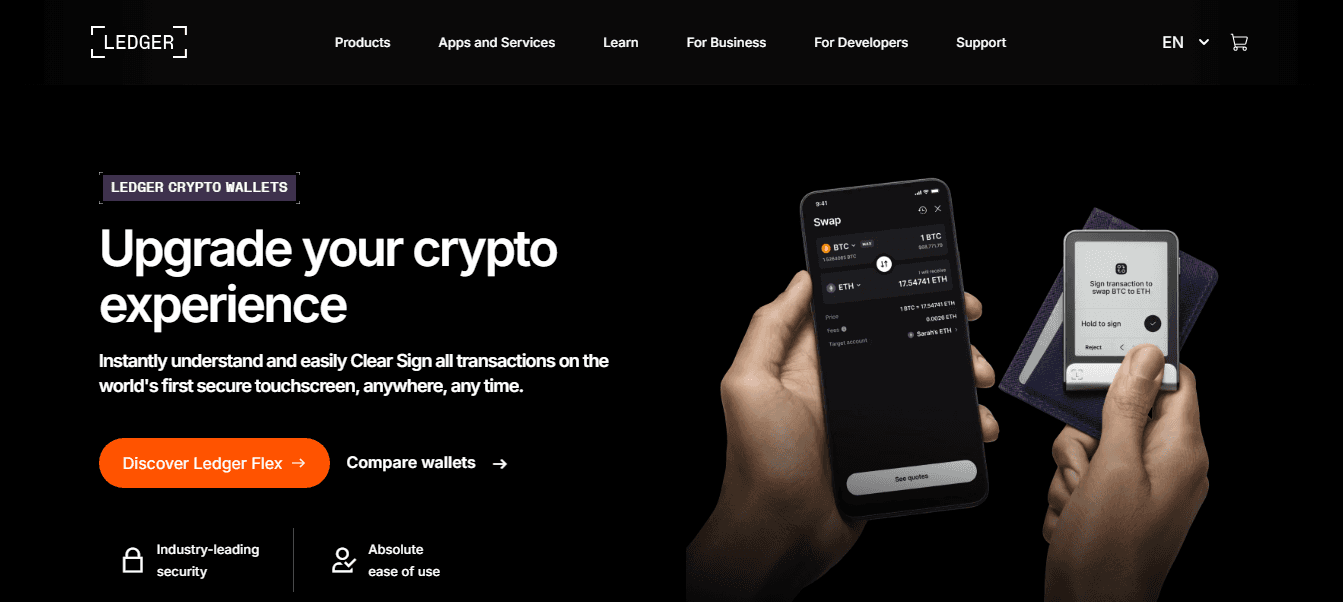
Ledger Login: A Complete Guide to Accessing and Securing Your Cryptocurrency Wallet
In the rapidly evolving world of cryptocurrency, securing digital assets has become more critical than ever. As cryptocurrencies continue to grow in popularity, users require reliable and safe methods to store and manage their digital wealth. Ledger, a leading provider of hardware wallets, has become a trusted name in this domain. Ledger wallets are designed to provide top-tier security for cryptocurrencies by keeping private keys offline while still allowing users to manage assets efficiently. Central to using Ledger devices is understanding the Ledger login process, ensuring safe access, and following best practices to protect funds.
This article provides a comprehensive guide on Ledger login, explaining everything from setting up your wallet to troubleshooting common issues, along with essential security measures and best practices.
1. What is a Ledger Wallet?
Ledger wallets are hardware devices that store cryptocurrency private keys offline. Unlike software wallets, which exist on internet-connected devices, hardware wallets provide an extra layer of security against hacking attempts. Ledger offers various wallet models, such as the Ledger Nano S and Ledger Nano X, each equipped with advanced security features, user-friendly interfaces, and compatibility with multiple cryptocurrencies.
The core principle of Ledger wallets is that your private keys—the digital codes that allow you to access your cryptocurrency—never leave the device. This “cold storage” approach protects users from online threats like malware or phishing attacks, which are common risks in the crypto space.
Ledger wallets work in tandem with Ledger Live, a companion application that allows users to check balances, manage transactions, and install apps for different cryptocurrencies. The login process primarily revolves around connecting the hardware device to Ledger Live or other supported platforms.
2. Understanding Ledger Login
Ledger login refers to the process of accessing your cryptocurrency wallet via the Ledger device and the Ledger Live application. Since security is paramount in the cryptocurrency world, Ledger has implemented several layers of protection:
PIN Code: Every Ledger device requires a PIN code to unlock the device physically.
Recovery Phrase: A 24-word recovery phrase is generated during wallet setup. It acts as a backup for wallet recovery in case the device is lost or damaged.
Ledger Live Authentication: Ledger Live adds a software layer for managing cryptocurrencies and connecting to blockchain networks.
The login process is straightforward but requires careful attention to security protocols to ensure that unauthorized parties cannot access your funds.
3. Setting Up Ledger for the First Time
Before you can log in to your Ledger wallet, it must be properly set up. The initial setup involves several steps:
Step 1: Unbox Your Ledger Device
Ensure that the package is sealed and tamper-free. Ledger wallets are shipped in secure packaging to prevent tampering.
Step 2: Install Ledger Live
Download the Ledger Live application from the official Ledger website. Avoid downloading from third-party sources to prevent malware infections.
Step 3: Initialize the Device
Follow the on-screen instructions to create a new wallet. You will be prompted to:
Choose a PIN code.
Write down the 24-word recovery phrase on the provided recovery sheet. This phrase is the ultimate key to your funds, and it must be stored offline in a secure location.
Step 4: Install Apps on Ledger
Ledger supports multiple cryptocurrencies through dedicated apps. Use Ledger Live to install the apps relevant to your crypto holdings.
After completing the setup, your Ledger wallet is ready for login and regular use.
4. How to Log In to Your Ledger Wallet
Logging in to a Ledger wallet involves a combination of device interaction and software access via Ledger Live. Here’s a step-by-step guide:
Step 1: Connect Ledger Device
Plug your Ledger device into your computer or mobile device using a USB cable (or Bluetooth for Ledger Nano X).
Step 2: Enter PIN Code
Use the physical buttons on the device to enter your PIN code. This ensures that only someone with physical access can unlock the wallet.
Step 3: Open Ledger Live
Launch Ledger Live on your computer or mobile device. The application will detect your Ledger device.
Step 4: Authenticate Device
Follow the prompts on Ledger Live to authenticate your device. Ledger Live communicates with the device without ever exposing private keys.
Step 5: Access Wallet Features
Once logged in, you can view balances, send and receive cryptocurrencies, and manage accounts. Ledger Live provides real-time updates from the blockchain while maintaining the security of offline keys.
5. Security Measures for Ledger Login
Security is the primary concern for Ledger users. Here are critical measures to ensure safe login:
PIN Security
Choose a unique PIN code that cannot be easily guessed.
Avoid writing down your PIN or sharing it with anyone.
Recovery Phrase Protection
Store your 24-word recovery phrase in a secure location.
Never take a digital photo of the recovery phrase or store it online.
Consider using fireproof or waterproof storage for your recovery phrase.
Device Authentication
Only use official Ledger Live software.
Regularly update Ledger firmware to benefit from security improvements.
Phishing Awareness
Be cautious of emails or websites claiming to be Ledger.
Ledger will never ask for your PIN or recovery phrase via email.
6. Troubleshooting Ledger Login Issues
Even with proper setup, users may face login issues. Common problems include:
Issue 1: Ledger Not Recognized
Ensure your USB cable is working.
Update Ledger Live and device firmware.
Try reconnecting the device to another USB port.
Issue 2: Forgotten PIN
If the PIN is forgotten, the wallet will reset.
Use your 24-word recovery phrase to restore the wallet and set a new PIN.
Issue 3: Ledger Live Login Errors
Check your internet connection.
Make sure Ledger Live is updated.
Reinstall Ledger Live if issues persist.
Issue 4: Device Frozen or Unresponsive
Try rebooting the device.
If unresolved, contact Ledger support for assistance.
7. Best Practices for Ledger Login
Following best practices ensures smooth access and enhanced security:
Keep Firmware Updated: Regularly update the Ledger device firmware for security patches.
Use Strong PINs: Avoid sequential or repeated numbers.
Secure Recovery Phrase: Store the phrase offline in multiple secure locations.
Avoid Public Networks: Log in using secure, private networks to reduce exposure to attacks.
Two-Factor Authentication (2FA): Although Ledger devices inherently protect private keys, enabling 2FA on related accounts adds another layer of security.
Regular Backups: While Ledger devices are robust, having a backup plan ensures access to funds in emergencies.
8. Ledger Login on Mobile Devices
Ledger Nano X supports Bluetooth, allowing users to log in to Ledger Live mobile apps. The process is similar to desktop login:
Open Ledger Live Mobile.
Pair the Ledger device via Bluetooth.
Enter your PIN on the Ledger device.
Authenticate and manage your cryptocurrencies securely on mobile.
9. Advantages of Ledger Login System
Ledger’s login system offers several advantages:
Enhanced Security: Private keys never leave the device.
User-Friendly Access: Ledger Live provides a straightforward interface for login and management.
Multi-Currency Support: Access multiple cryptocurrencies from a single device.
Offline Key Storage: Reduces the risk of online hacks.
Recovery Options: 24-word recovery phrase allows wallet restoration if the device is lost or damaged.
10. Conclusion
Ledger login is more than just accessing a device—it is a secure gateway to managing digital assets. By understanding the setup process, proper login steps, and critical security measures, users can confidently safeguard their cryptocurrencies. Ledger’s combination of hardware-based security, offline private key storage, and intuitive software makes it one of the most trusted solutions for crypto enthusiasts worldwide.
Successful Ledger login requires attention to detail, vigilance against phishing attempts, and adherence to best practices. As cryptocurrencies continue to shape the financial landscape, Ledger provides a reliable and secure foundation for managing digital wealth.
In summary, by following the steps and guidelines outlined above, users can enjoy seamless access to their crypto holdings while minimizing the risks associated with digital asset management. Ledger login is a key component in the broader ecosystem of cryptocurrency security, empowering users with confidence and control over their financial future.