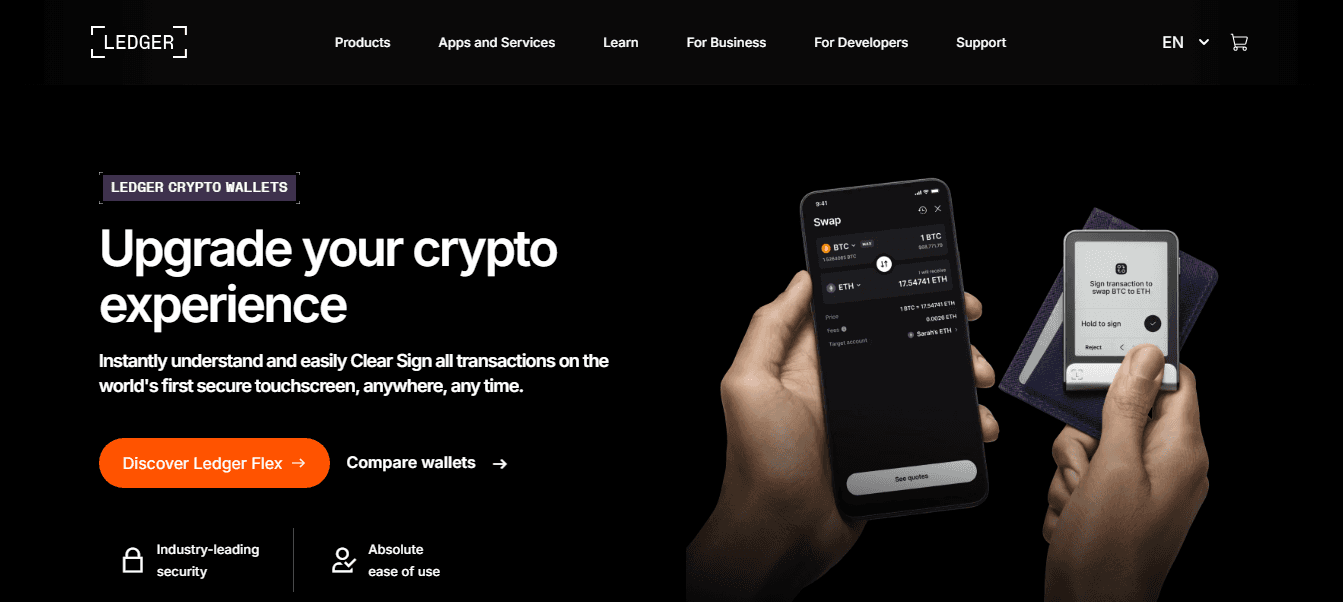
Ledger Login: Your Complete Guide to Secure Cryptocurrency Access
Cryptocurrency has revolutionized the way we handle money, offering a digital form of wealth that is fast, borderless, and decentralized. But with the rise of crypto comes a responsibility: keeping your assets safe. Unlike traditional banking systems, cryptocurrencies are irreversible and fully controlled by private keys. If you lose access, there’s no bank to recover your funds. This is where Ledger wallets come into play.
Ledger wallets are hardware devices that store your private keys offline, providing a high level of security. Accessing your funds through Ledger login is an essential skill for anyone using these devices. This guide provides a detailed walkthrough of Ledger login, setup, security measures, troubleshooting tips, and best practices for keeping your digital wealth safe.
1. What is a Ledger Wallet?
A Ledger wallet is a type of hardware wallet designed to store cryptocurrency private keys securely. Unlike software wallets or exchanges, which can be vulnerable to hacking, Ledger keeps your private keys offline, making it much harder for malicious actors to steal your assets.
Ledger has two primary models:
Ledger Nano S – Compact, simple, and secure for beginners.
Ledger Nano X – Advanced features, Bluetooth connectivity, and support for a larger number of cryptocurrencies.
Ledger wallets work alongside the Ledger Live application. Ledger Live is available on desktop and mobile, and allows you to check balances, send and receive crypto, install apps, and manage multiple wallets securely.
2. Why Ledger Login is Important
Logging into your Ledger wallet is different from typical online logins. Since your private keys are stored offline, the login process ensures that only the device holder can access the wallet. Key components include:
PIN code: Physical access verification.
Recovery phrase: Backup for restoring funds.
Ledger Live authentication: Software access for managing accounts without exposing private keys.
Ledger login ensures security by combining physical device authentication with software management. Understanding this login process is crucial to avoiding security risks.
3. Initial Setup of Ledger Wallet
Before you can log in, your Ledger device must be set up correctly. This involves a few important steps:
Step 1: Unbox Carefully
Make sure the Ledger package is sealed and untampered. Ledger uses secure packaging to prevent malicious interference.
Step 2: Download Ledger Live
Download Ledger Live only from the official Ledger website. Avoid third-party downloads to protect against malware.
Step 3: Device Initialization
Turn on the device and select “Set up as new device.”
Choose a PIN code – a combination of 4–8 digits.
Write down your 24-word recovery phrase exactly as displayed. This is the only way to restore your wallet if the device is lost or damaged.
Step 4: Install Cryptocurrency Apps
Ledger supports multiple cryptocurrencies via individual apps. Use Ledger Live to install apps for coins you intend to store or trade.
Once these steps are complete, your Ledger wallet is ready for secure login.
4. Step-by-Step Ledger Login Guide
Logging in requires both your hardware device and Ledger Live:
Step 1: Connect Your Device
Use USB (Nano S) or Bluetooth (Nano X) to connect your Ledger to your computer or mobile device.
Step 2: Enter PIN
Use the Ledger buttons to enter your PIN. This is the first security layer.
Step 3: Open Ledger Live
Launch Ledger Live on your device. It will detect your connected wallet.
Step 4: Authenticate Device
Follow prompts in Ledger Live. The device confirms your identity and grants access to wallet functions.
Step 5: Access Wallet Functions
You can now view balances, send and receive crypto, and manage multiple accounts securely.
5. Security Measures for Ledger Login
Security is the core reason people use Ledger wallets. Here’s how to maintain it:
PIN Security
Use a unique PIN. Avoid easily guessable sequences.
Never share your PIN.
Recovery Phrase
Keep your 24-word phrase offline. Do not take screenshots or photos.
Store in a safe, secure location, ideally in multiple copies.
Device Security
Only use official Ledger Live software.
Regularly update your Ledger firmware to patch vulnerabilities.
Avoid Phishing Attacks
Ledger will never ask for your PIN or recovery phrase via email or phone.
Verify websites and links carefully before entering sensitive information.
6. Troubleshooting Common Ledger Login Problems
Even with proper setup, users may encounter issues:
Device Not Recognized
Ensure your USB cable works.
Try connecting to a different port or device.
Update Ledger Live and firmware.
Forgotten PIN
If you forget your PIN, the device resets.
Use the 24-word recovery phrase to restore access and create a new PIN.
Ledger Live Errors
Check your internet connection.
Reinstall Ledger Live if the problem persists.
Device Frozen
Restart the device.
If unresolved, contact Ledger support.
7. Ledger Login on Mobile Devices
Ledger Nano X supports Bluetooth for mobile access:
Open Ledger Live Mobile.
Pair the device via Bluetooth.
Enter PIN on the device.
Access wallets securely from your smartphone or tablet.
This mobile access adds convenience while maintaining Ledger’s high security standards.
8. Best Practices for Ledger Login
Following best practices ensures smooth login and wallet security:
Firmware Updates: Regular updates improve security.
Strong PINs: Avoid predictable sequences.
Secure Recovery Phrase: Keep offline and in multiple locations.
Private Networks: Avoid public Wi-Fi when logging in.
Regular Backup Checks: Ensure your recovery phrase is readable and safe.
Two-Factor Authentication (2FA): Use on associated accounts when possible.
9. Advantages of Ledger Login
Ledger login provides several benefits:
Enhanced Security: Keys remain offline.
User-Friendly Management: Ledger Live simplifies account management.
Multi-Currency Support: Manage multiple coins from one device.
Recovery Options: Restore wallets with recovery phrase.
Offline Transaction Verification: Confirm transactions securely on the device itself.
10. Advanced Ledger Login Features
Ledger devices offer features beyond basic login:
Multi-account Management: Multiple wallets on one device.
App Installation: Add or remove cryptocurrency apps via Ledger Live.
Firmware Security Updates: Ledger devices can receive updates without compromising stored funds.
Bluetooth Mobile Login: Nano X allows remote, secure access.
These features improve usability while keeping security paramount.
11. Future of Ledger Login
Ledger is constantly evolving to meet the growing demands of cryptocurrency users. Expected advancements include:
Enhanced biometric authentication.
Better integration with decentralized finance (DeFi) platforms.
Improved multi-device synchronization without compromising security.
These improvements aim to make Ledger login even more secure and convenient in the coming years.
12. Conclusion
Ledger login is the gateway to securely managing your cryptocurrency. By understanding how to set up the device, perform login correctly, and follow security best practices, users can confidently safeguard their assets. Ledger’s combination of offline private key storage, hardware-based authentication, and user-friendly software makes it one of the safest solutions for crypto investors.
From beginners to advanced users, mastering Ledger login is essential for anyone serious about protecting their digital wealth. Regular firmware updates, careful handling of the recovery phrase, and vigilance against phishing attacks ensure your assets remain secure and accessible.
Ledger login is more than a technical process—it is a critical skill in maintaining full control of your cryptocurrency journey.