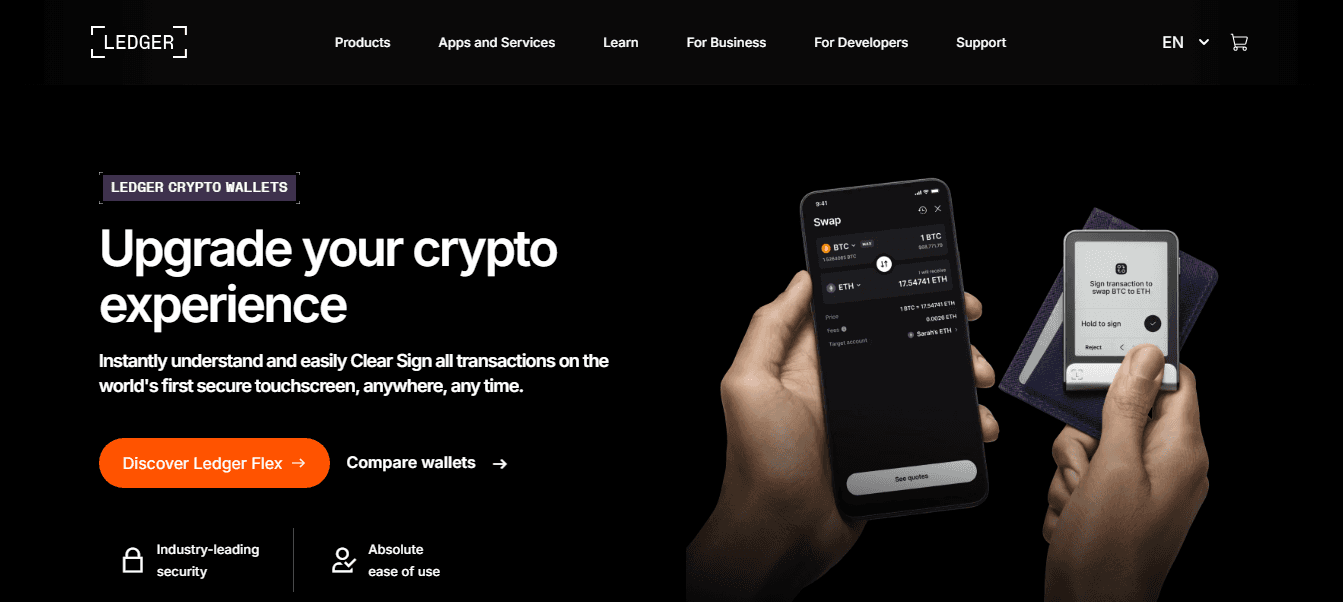
Ledger Login: A Comprehensive Guide to Secure Cryptocurrency Access
With the growing popularity of cryptocurrencies, securing digital assets has never been more critical. Unlike traditional money, cryptocurrencies are fully decentralized, meaning that ownership is entirely dependent on private keys. Losing access to your crypto wallet can mean losing your funds permanently. This is where Ledger wallets provide a robust solution. Ledger wallets are hardware devices that store your private keys offline, offering an unmatched level of security.
Central to using Ledger devices is understanding the Ledger login process, which allows you to safely access, manage, and transfer cryptocurrencies while keeping your keys secure. This guide offers a complete overview of Ledger login, including setup, step-by-step login instructions, security tips, troubleshooting advice, and best practices.
1. Understanding Ledger Wallets
A Ledger wallet is a physical device designed to securely store cryptocurrency private keys offline. Unlike software wallets or exchange wallets, which are vulnerable to hacks, Ledger wallets provide cold storage, meaning the private keys never leave the device.
Ledger has two primary models:
Ledger Nano S: Compact, cost-effective, and ideal for beginners.
Ledger Nano X: Advanced model with Bluetooth connectivity and support for a large range of cryptocurrencies.
Ledger wallets work alongside Ledger Live, a desktop and mobile application that allows users to manage their funds, monitor balances, and interact with blockchain networks securely.
2. Why Ledger Login is Essential
Ledger login is not just about opening an app—it’s a security-critical step that ensures only authorized users can access funds. Unlike online wallets, Ledger combines hardware verification, a PIN code, and a recovery phrase for secure access.
Key components of Ledger login include:
PIN code: Unlocks the device physically.
Recovery phrase: 24-word backup phrase that allows you to restore the wallet if lost or damaged.
Ledger Live authentication: Connects your device to the software while keeping private keys offline.
This layered security design makes Ledger login one of the safest ways to access cryptocurrency funds.
3. Setting Up Your Ledger Wallet
Before logging in, you must properly initialize your Ledger device. A secure setup is the foundation for safe crypto management.
Step 1: Verify the Package
Ensure your Ledger wallet package is sealed and untampered. Ledger uses tamper-evident packaging to prevent malicious interference.
Step 2: Download Ledger Live
Download Ledger Live only from the official Ledger website. Installing from third-party sources can expose your device to malware.
Step 3: Initialize the Device
Power on the device and select “Set up as new device.”
Create a secure PIN code.
Record the 24-word recovery phrase exactly as shown. This is the most critical security backup and should never be stored digitally.
Step 4: Install Cryptocurrency Apps
Ledger supports multiple cryptocurrencies through dedicated apps. Use Ledger Live to install apps for the coins you plan to store or trade.
Once these steps are completed, your Ledger wallet is ready for secure login.
4. Step-by-Step Ledger Login Process
Logging in involves a combination of hardware interaction and software access.
Step 1: Connect the Ledger Device
For Ledger Nano S: Use a USB cable.
For Ledger Nano X: Use USB or Bluetooth.
Step 2: Enter Your PIN
Use the device buttons to input your PIN. This prevents unauthorized access even if someone physically has the device.
Step 3: Open Ledger Live
Launch Ledger Live on your computer or mobile device. The software will detect your connected Ledger wallet.
Step 4: Authenticate the Device
Follow the prompts on Ledger Live to confirm your identity. The private keys never leave the device during this process.
Step 5: Access Your Wallet
Once authenticated, you can view balances, send and receive cryptocurrencies, and manage multiple accounts.
5. Security Practices for Ledger Login
The security of your Ledger wallet depends heavily on how you manage login credentials.
Protect Your PIN
Use a unique PIN and avoid sequential numbers.
Do not store your PIN anywhere accessible.
Safeguard Your Recovery Phrase
Store the 24-word phrase offline.
Avoid digital storage, screenshots, or cloud backups.
Consider storing it in multiple secure locations.
Device and Software Security
Only use official Ledger Live software.
Keep your Ledger firmware updated to patch vulnerabilities.
Avoid Phishing Attempts
Ledger will never ask for your PIN or recovery phrase online.
Verify all links and emails before entering sensitive information.
6. Troubleshooting Ledger Login Issues
Even with proper setup, you may face login problems. Here are common issues and solutions:
Device Not Recognized
Check your USB cable and ports.
Try connecting to a different device.
Ensure Ledger Live and device firmware are updated.
Forgotten PIN
If the PIN is forgotten, the wallet resets.
Restore your funds using the 24-word recovery phrase and set a new PIN.
Ledger Live Errors
Check your internet connection.
Reinstall Ledger Live if necessary.
Frozen Device
Restart the device.
Contact Ledger support if the issue persists.
7. Ledger Login on Mobile Devices
Ledger Nano X supports Bluetooth, allowing secure mobile login:
Open Ledger Live Mobile.
Pair the device via Bluetooth.
Enter the PIN on the device.
Access and manage wallets securely from your smartphone.
This provides flexibility while maintaining Ledger’s high security standards.
8. Best Practices for Ledger Login
To maximize security and ease of access:
Keep Firmware Updated: Protects against security vulnerabilities.
Use Strong PINs: Avoid simple or obvious sequences.
Store Recovery Phrase Securely: Keep offline in multiple secure locations.
Use Private Networks: Avoid logging in on public Wi-Fi.
Regularly Verify Backups: Ensure recovery phrase is legible and safe.
Enable 2FA on Accounts: Extra protection for exchanges linked to Ledger.
9. Advantages of Ledger Login
Ledger login offers numerous benefits:
Security: Private keys never leave the device.
Ease of Use: Ledger Live simplifies wallet management.
Multi-Currency Support: Manage multiple cryptocurrencies from one device.
Offline Transaction Verification: Confirms transactions securely.
Recovery Options: Restore wallets with the 24-word phrase.
10. Advanced Features of Ledger Login
Ledger devices also provide:
Multi-account Management: Keep separate wallets on one device.
App Management: Install or uninstall apps for supported cryptocurrencies.
Firmware Updates: Receive updates without exposing private keys.
Bluetooth Access (Nano X): Secure remote login for mobile devices.
These features make Ledger login both secure and convenient.
11. Future of Ledger Login
As cryptocurrencies evolve, Ledger continues to innovate:
Enhanced biometric authentication may be introduced.
Integration with decentralized finance (DeFi) platforms.
Improved multi-device support without compromising security.
Ledger login will continue to provide secure access while adapting to new crypto trends.
12. Conclusion
Ledger login is the gateway to securely managing your cryptocurrencies. By understanding the setup process, following login steps, and adhering to security best practices, users can confidently protect and manage their digital assets. Ledger’s combination of hardware-based security, offline private key storage, and Ledger Live software makes it one of the most reliable solutions for cryptocurrency users.
Mastering Ledger login ensures that you maintain full control over your funds while minimizing the risk of theft or loss. Regular updates, careful handling of your recovery phrase, and awareness of phishing threats are essential practices for all Ledger users.