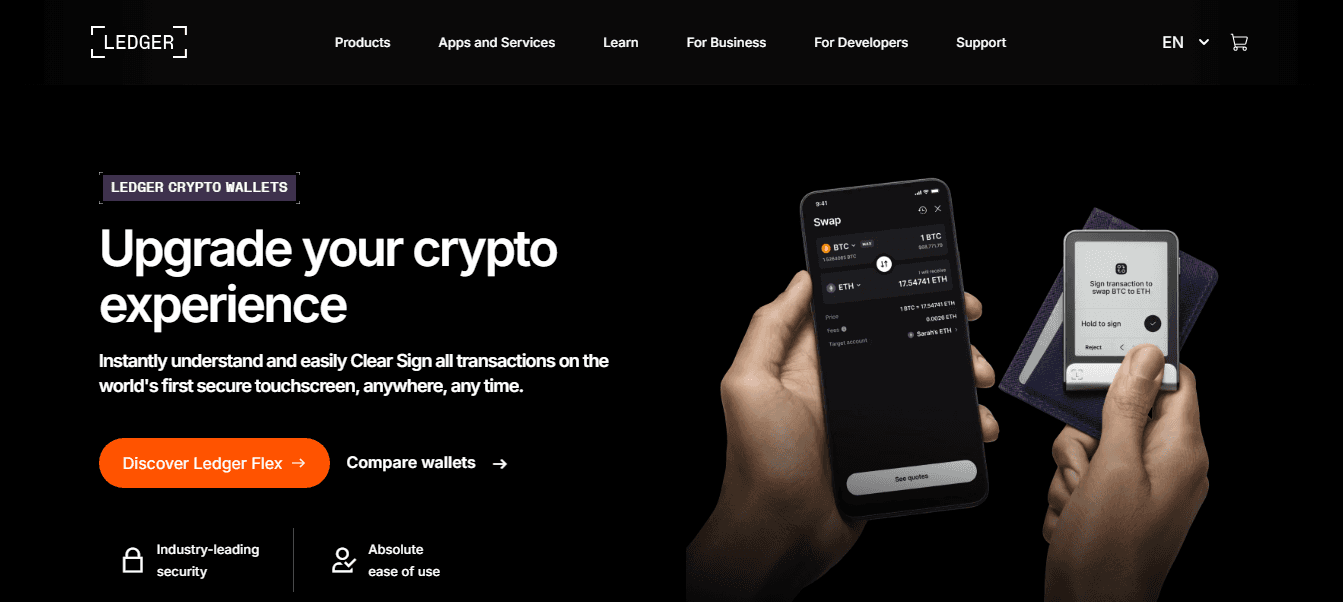
Ledger Login: Complete Guide to Secure Access and Management of Your Cryptocurrency Wallet
In the modern digital era, cryptocurrency is transforming the way we think about finance and wealth. With this innovation comes the responsibility of keeping digital assets secure. Among the myriad of storage solutions, Ledger hardware wallets have emerged as a trusted method for safeguarding cryptocurrencies. Central to using a Ledger wallet is understanding the Ledger login process, which ensures secure access to your assets while maintaining the privacy of your private keys.
This comprehensive guide explores Ledger login in detail, including how to set up your device, access your wallet safely, troubleshoot common issues, and implement best practices for security. Whether you are new to crypto or an experienced investor, mastering Ledger login is essential to managing your funds effectively.
1. Introduction to Ledger Wallets
A Ledger wallet is a hardware device designed to securely store cryptocurrency private keys offline. Unlike software wallets that exist on computers or smartphones, Ledger wallets provide cold storage, which significantly reduces the risk of hacking or online theft. Ledger’s devices, including the Ledger Nano S and Ledger Nano X, are equipped with advanced security features and support a wide range of cryptocurrencies.
Ledger wallets work in conjunction with Ledger Live, the companion application used to manage assets, monitor balances, and perform transactions. While Ledger Live provides a convenient interface for wallet management, the true security of your funds comes from the Ledger device itself. This is why the login process is a critical step in both security and usability.
2. Understanding Ledger Login
Ledger login is the process of accessing your cryptocurrency wallet using your Ledger device and the Ledger Live application. Unlike typical logins that use usernames and passwords, Ledger relies on a combination of PIN codes, recovery phrases, and hardware authentication to ensure security.
Key components of Ledger login:
PIN Code: A physical PIN that unlocks the device.
Recovery Phrase: A 24-word phrase used to restore your wallet if the device is lost or damaged.
Ledger Live Authentication: Software-based access to view and manage wallet balances.
This multi-layered security system ensures that even if a computer or mobile device is compromised, your cryptocurrency remains protected.
3. Setting Up Your Ledger Wallet
Before logging in, your Ledger wallet must be initialized. This setup process is crucial for both security and functionality.
Step 1: Unbox the Device
Always verify that your Ledger package is sealed and tamper-free. Ledger devices come in secure packaging, and any damage or tampering could indicate a security risk.
Step 2: Install Ledger Live
Download Ledger Live from the official Ledger website. Avoid third-party downloads, as these may contain malware. Ledger Live is available for desktop and mobile devices.
Step 3: Initialize the Device
Turn on your Ledger wallet.
Follow the on-screen prompts to choose a PIN code.
Record the 24-word recovery phrase on the provided sheet. This phrase is the most critical backup of your funds. Never store it digitally or online.
Step 4: Install Cryptocurrency Apps
Ledger wallets support multiple cryptocurrencies via individual apps installed through Ledger Live. Install the relevant apps based on your crypto holdings.
Once setup is complete, your wallet is ready for secure login and use.
4. How to Log In to Ledger
Logging in to your Ledger wallet involves both hardware and software steps:
Step 1: Connect the Device
Plug the Ledger device into your computer via USB, or use Bluetooth if you have a Ledger Nano X.
Step 2: Enter Your PIN
Use the device’s buttons to input your PIN code. This ensures that only someone with physical access can unlock the wallet.
Step 3: Open Ledger Live
Launch Ledger Live on your computer or mobile device. Ledger Live will detect the connected device.
Step 4: Authenticate the Device
Follow the on-screen instructions in Ledger Live to authenticate your device. The private keys remain secure on the hardware, never exposed to the computer.
Step 5: Access Your Wallet
Once authenticated, you can view balances, send and receive cryptocurrencies, and manage accounts. Ledger Live fetches live blockchain data while keeping your keys offline.
5. Security Measures for Ledger Login
Security is the cornerstone of Ledger login. Here’s how to ensure your wallet remains protected:
PIN Security
Choose a unique PIN code that cannot be easily guessed.
Avoid storing your PIN in obvious places.
Recovery Phrase Protection
Keep your 24-word recovery phrase offline and secure.
Never share the recovery phrase or enter it online.
Consider storing it in fireproof or waterproof safes.
Device Authentication
Always use official Ledger Live software.
Keep your device firmware up to date.
Phishing Awareness
Be wary of emails, messages, or websites claiming to be Ledger.
Ledger will never ask for your PIN or recovery phrase via email.
6. Common Ledger Login Issues
Despite the straightforward login process, users may encounter issues. Here are some common problems and solutions:
Issue 1: Device Not Recognized
Check USB connections.
Try different USB ports or cables.
Ensure Ledger Live and device firmware are updated.
Issue 2: Forgotten PIN
Resetting the wallet will erase all data.
Restore access using the 24-word recovery phrase.
Issue 3: Ledger Live Login Errors
Check internet connectivity.
Update or reinstall Ledger Live.
Issue 4: Device Frozen
Restart the device.
If unresolved, contact Ledger support.
7. Best Practices for Ledger Login
Adhering to best practices enhances security and reduces the risk of login issues:
Keep Firmware Updated: Regular updates prevent security vulnerabilities.
Use Strong PINs: Avoid sequential or predictable numbers.
Secure Recovery Phrase: Store offline in multiple locations.
Avoid Public Wi-Fi: Only log in using secure networks.
Enable 2FA Where Possible: Adds an extra layer of security.
Regular Backups: Ensure your recovery phrase is safely backed up.
8. Ledger Login on Mobile Devices
Ledger Nano X supports Bluetooth, enabling mobile login:
Open Ledger Live Mobile.
Pair your device via Bluetooth.
Enter your PIN on the device.
Authenticate and access cryptocurrencies securely on mobile.
This flexibility allows users to manage assets anytime while maintaining strong security.
9. Advantages of Ledger Login
The Ledger login system offers multiple advantages:
Enhanced Security: Private keys never leave the device.
User-Friendly Interface: Ledger Live simplifies wallet management.
Multi-Currency Support: Manage multiple cryptocurrencies from a single device.
Offline Key Storage: Protects against online hacks.
Recovery Options: 24-word recovery phrase enables wallet restoration.
10. Troubleshooting Advanced Issues
Some users may encounter advanced issues during login:
Firmware Update Failures: Ensure a stable connection; avoid interrupting updates.
Corrupted Ledger Live Installation: Uninstall and reinstall from the official website.
Bluetooth Connectivity Problems (Nano X): Reset Bluetooth pairing and ensure device firmware is updated.
Following Ledger’s official support guides helps resolve most issues without compromising security.
11. Future of Ledger Login
As cryptocurrency technology evolves, Ledger continues to improve its login and security mechanisms. Upcoming features may include:
Enhanced biometric authentication.
Integration with decentralized finance (DeFi) platforms.
Multi-device synchronization without compromising security.
Ledger login will remain a critical part of safe crypto asset management, ensuring users maintain full control over their funds.
12. Conclusion
Ledger login is more than a simple access method—it is a secure gateway to managing your digital assets. By understanding the setup process, following login steps, and implementing strong security measures, users can protect their cryptocurrencies against unauthorized access and cyber threats.
Ledger combines hardware-based security, offline key storage, and intuitive software to create a safe and convenient user experience. Regular firmware updates, careful management of recovery phrases, and adherence to best practices ensure that your funds remain secure while being easily accessible.
In an increasingly digital financial world, Ledger login represents a reliable foundation for anyone serious about cryptocurrency security. Mastering this process empowers users to confidently manage, store, and grow their digital wealth.